June Home Maintenance Checklist for Virginia Homeowners (2026 Guide)

What Home Maintenance Should Virginia Homeowners Do in June?
Virginia homeowners should use June to inspect their roof, clean gutters, trim trees, service their HVAC system, review pool and hot tub safety, test smoke alarms, and review their homeowners insurance coverage before summer storms and hurricane season begin.
The reality is that many costly home insurance claims start with small maintenance issues that homeowners never knew existed. A loose shingle. A clogged gutter. A tree limb hanging just a little too close to the house.
June is the perfect time to identify those risks before they become expensive problems.
Why Is June Such an Important Month for Virginia Homeowners?
If you're like many homeowners, June feels like the beginning of summer.
The kids are out of school. Vacation plans are being made. The grill comes out. Backyard gatherings start filling the calendar.
But while homeowners are focused on enjoying summer, Mother Nature is preparing for one of Virginia's most active weather seasons.
June marks the official start of Atlantic hurricane season. It also brings stronger thunderstorms, heavy rain, higher humidity, and increased outdoor activity around the home.
After helping Virginia families protect their homes since 2006, we've noticed something important:
Most major claims don't begin with major disasters.
They begin with small issues that go unnoticed until the next storm, leak, or accident exposes them.
That's why June is one of the best times of the year to walk around your property and ask yourself a simple question:
"If a strong storm hit this weekend, would my home be ready?"
Let's start there.
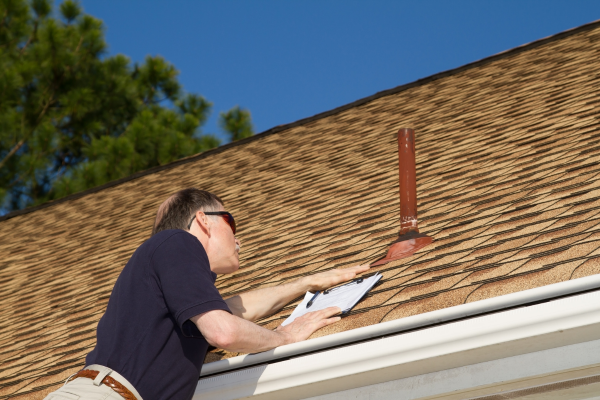
Is Your Roof Ready for Summer Storm Season?
Most homeowners don't think about their roof until they notice a leak.
Unfortunately, by the time water appears inside the home, the damage often started weeks or months earlier.
Virginia's summer weather can bring:
Strong wind gusts
Heavy rainfall
Falling tree limbs
Hail
Tropical storm remnants
Even a few missing shingles can create an opening for water intrusion.
Before summer weather intensifies, look for:
Missing or curling shingles
Damaged flashing around chimneys and vents
Dark streaks or water stains
Loose roof materials
Debris buildup in roof valleys
If something looks questionable, it may be worth having a professional inspection completed before the next major storm arrives.
One of the most common homeowner mistakes is assuming a small roof issue can wait until fall.
Summer weather often has other plans.
When Was the Last Time You Cleaned Your Gutters?
This is one of the least exciting homeowner tasks.
It's also one of the most important.
We've seen homeowners spend thousands of dollars repairing water damage that started because gutters couldn't properly move water away from the home.
When gutters become clogged:
Water can back up under roofing materials
Foundations can become oversaturated
Basements and crawl spaces can experience moisture issues
Landscaping can erode
June is an ideal time to remove:
Leaves
Pine needles
Twigs
Roof debris
While you're there, make sure downspouts direct water several feet away from your foundation.
A few hours of maintenance today can help prevent much larger problems later.
Could a Tree on Your Property Become Your Next Insurance Claim?
Trees provide shade, beauty, and curb appeal.
They can also become one of the biggest risks to your property during summer storms.
Walk around your home and look up.
Pay special attention to:
Dead limbs
Cracked branches
Trees leaning toward structures
Branches hanging over the roof
Limbs touching power lines
Many homeowners don't realize a tree has become a problem until after a storm brings it down.
June is a great time to address those concerns before severe weather arrives.
Are Your Smoke and Carbon Monoxide Alarms Working?
Here's a question many homeowners can't answer immediately:
When was the last time you tested your alarms?
Fire and carbon monoxide risks don't disappear during summer.
In fact, outdoor grilling, increased electrical usage, and vacation travel can introduce additional hazards.
Take a few minutes this month to:
Test all smoke alarms
Test carbon monoxide detectors
Replace batteries if needed
Replace outdated units
It's a simple task that can make a significant difference when every second counts.
Is Your Deck Safe for Summer Gatherings?
Summer means cookouts, family gatherings, graduation parties, and neighborhood get-togethers.
Most homeowners focus on cleaning the deck.
Few focus on inspecting it.
Before guests arrive, look for:
Loose boards
Unstable railings
Rusted hardware
Soft spots in wood
Uneven walking surfaces
Liability claims often occur because of conditions homeowners stopped noticing long ago.
A railing that feels slightly loose today could become a much bigger issue when guests are leaning against it next weekend.
Does Your Pool or Hot Tub Create Additional Risk?
One of the most common questions we hear from homeowners is:
"Do I need to tell my insurance company if I add a pool?"
The answer is often yes.
Pools and hot tubs can create additional liability exposures that homeowners should understand.
Before pool season gets into full swing, review:
Pool fencing
Gate latches
Safety equipment
Lighting
Access controls
If you've recently added:
A pool
A hot tub
A trampoline
A playground
A large backyard structure
It's worth reviewing your homeowners insurance coverage.
Many homeowners are surprised to learn that significant property changes can affect their insurance needs.
Are Small Water Leaks Hiding Around Your Home?
Water damage remains one of the most common causes of homeowner claims.
And many leaks start in places homeowners rarely check.
This month, inspect:
Window seals
Door frames
Exterior caulking
Siding transitions
Outdoor faucets
Irrigation systems
You're looking for anything that allows moisture where it doesn't belong.
Water often travels far before becoming visible.
Finding a small issue today can prevent a much larger repair tomorrow.
Is Your Air Conditioning System Ready for Virginia Summer Heat?
Virginia summers can be hot, humid, and demanding on HVAC systems.
Before temperatures climb higher:
Change air filters
Clear debris around outdoor units
Inspect visible drain lines
Schedule preventive maintenance
A well-maintained system can improve comfort, efficiency, and reliability during the hottest weeks of the year.
Could You Document Everything You Own If You Had To?
This question makes many homeowners pause.
If you experienced a major loss tomorrow, could you accurately list everything inside your home?
Most people can't.
That's why we recommend creating or updating a home inventory each year.
Take photos or videos of:
Furniture
Electronics
Appliances
Jewelry
Collectibles
Sporting equipment
Tools
Store the information securely online.
A home inventory doesn't prevent a loss.
It can make recovery significantly easier.
When Was the Last Time You Reviewed Your Homeowners Insurance?
For many homeowners, the answer is:
"When I bought the house."
Life changes.
Homes change.
Insurance needs change.
Over the years, you may have:
Renovated a kitchen
Finished a basement
Added a deck
Installed a pool
Purchased valuable jewelry
Upgraded technology
Built a detached structure
Yet many homeowners never revisit their coverage.
One of the most difficult conversations after a claim is hearing someone say:
"I didn't realize that."
The best time to review coverage is before you need it.
Not after.

June Home Maintenance Checklist for Virginia Homeowners
Before summer weather arrives, make sure you've completed these tasks:
✅ Inspect your roof
✅ Clean gutters and downspouts
✅ Trim trees and remove hazardous branches
✅ Test smoke alarms
✅ Test carbon monoxide detectors
✅ Inspect decks and railings
✅ Review pool and hot tub safety
✅ Check windows and exterior seals
✅ Service your HVAC system
✅ Update your home inventory
✅ Review your homeowners insurance coverage
Not Sure If Your Coverage Still Fits Your Home?
You're not alone.
One of the most common things we hear from homeowners is:
"I haven't looked at my policy since I bought the house."
If you've made improvements, added outdoor features, purchased valuable belongings, or simply haven't reviewed your coverage recently, now is a great time to revisit your policy.
A quick review today could help prevent surprises later.
Schedule a complimentary homeowners insurance review with the Tabetha Campbell Thompson Agency and let's make sure your coverage keeps pace with your life.
Click here to schedule an appointment: campbellthompsonagency.com/contact-us
Frequently Asked Questions
What home maintenance should Virginia homeowners do in June?
Virginia homeowners should inspect their roof, clean gutters, trim trees, test smoke alarms, service their HVAC system, review pool safety, check for water intrusion, and review their homeowners insurance coverage before summer storms and hurricane season begin.
Why is June important for home maintenance in Virginia?
June marks the beginning of hurricane season and brings increased risks from thunderstorms, heavy rain, strong winds, flooding, and extreme heat. Completing maintenance tasks in June can help homeowners reduce the risk of property damage and costly repairs during the summer months.
Does homeowners insurance cover storm damage in Virginia?
Homeowners insurance may cover sudden and accidental damage caused by covered perils such as wind, hail, and lightning. Coverage varies by policy, so homeowners should review their individual policy details and deductible requirements.
Does homeowners insurance cover roof leaks?
Homeowners insurance may cover roof leaks if the leak results from a covered loss, such as wind or hail damage. However, damage caused by wear and tear, neglect, or lack of maintenance is typically not covered.
Does homeowners insurance cover a tree falling on my house?
In many cases, homeowners insurance may cover damage to your home if a tree falls due to a covered peril such as wind or lightning. Coverage may also include debris removal, subject to policy terms and limits.
Does homeowners insurance cover tree removal?
Homeowners insurance may provide limited coverage for tree removal when a tree falls due to a covered loss and damages a covered structure. Coverage varies by policy.
What happens if my gutters cause water damage?
Water damage resulting from poor maintenance, clogged gutters, or long-term neglect may not be covered under homeowners insurance. Regular gutter cleaning is one of the simplest ways to help prevent costly water damage.
Does homeowners insurance cover flooding from heavy rain?
Standard homeowners insurance policies generally do not cover flood damage caused by rising water, surface water, storm surge, or overflowing bodies of water. Flood insurance is typically purchased separately.
Do I need flood insurance in Virginia?
Many Virginia homeowners benefit from reviewing flood insurance options, especially those living in flood-prone areas, near rivers, coastal regions, or locations that experience heavy rainfall. Flooding can occur even outside designated flood zones.
What is the difference between homeowners insurance and flood insurance?
Homeowners insurance typically covers certain types of sudden and accidental property damage, while flood insurance is designed to cover damage caused by rising water and flooding events that are generally excluded from standard homeowners policies.
Should I inspect my roof before hurricane season?
Yes. Inspecting your roof before hurricane season can help identify missing shingles, damaged flashing, loose materials, and other vulnerabilities that could lead to water intrusion during severe weather.
How often should homeowners inspect their roof?
Most roofing professionals recommend inspecting your roof at least twice per year and after significant storms.
How often should gutters be cleaned in Virginia?
Most Virginia homeowners should clean their gutters at least twice annually, although homes surrounded by trees may require more frequent maintenance.
Does homeowners insurance cover water damage?
Homeowners insurance may cover certain types of sudden and accidental water damage, such as a burst pipe. Coverage typically depends on the source of the water and the circumstances surrounding the loss.
Does homeowners insurance cover mold?
Mold coverage depends on the cause of the mold. Some mold-related damage may be covered if it results from a covered loss, while mold caused by long-term maintenance issues may not be covered.
Does homeowners insurance cover HVAC systems?
Homeowners insurance may cover damage to HVAC systems if the damage results from a covered peril. Normal wear and tear, mechanical breakdowns, and maintenance-related issues are generally not covered.
Should I tell my insurance company if I install a pool?
Yes. Adding a swimming pool may affect liability exposure and insurance needs. Homeowners should notify their insurance agent whenever significant property changes occur.
Does homeowners insurance cover pool accidents?
Personal liability coverage may help protect homeowners if someone is injured and the homeowner is found legally responsible. Coverage depends on the circumstances and policy terms.
Do I need more liability coverage if I have a pool?
Many homeowners with pools choose to review their liability limits and may consider additional protection such as an umbrella policy depending on their situation.
Does homeowners insurance cover hot tubs?
Hot tubs may be covered under homeowners insurance, but homeowners should review their policy and discuss any additions with their insurance agent.
What home improvements should I report to my insurance company?
Homeowners should consider notifying their insurance company after:
Major renovations
Home additions
New roofs
Swimming pools
Hot tubs
Detached garages
Sheds
Solar panels
Significant upgrades
How often should I review my homeowners insurance policy?
Most homeowners should review their insurance coverage annually and whenever they make major improvements, purchase valuable items, or experience significant life changes.
What is personal liability coverage in homeowners insurance?
Personal liability coverage may help protect homeowners if they are found legally responsible for bodily injury or property damage to others, subject to policy terms and limits.
What is dwelling coverage in homeowners insurance?
Dwelling coverage helps protect the physical structure of the home, including walls, roof, and attached structures, subject to policy terms, conditions, and limits.
What is other structures coverage?
Other structures coverage may help protect detached structures on your property such as garages, sheds, fences, and certain other buildings.
What is personal property coverage?
Personal property coverage helps protect belongings such as furniture, electronics, clothing, and household items, subject to policy limits and coverage terms.
How can Virginia homeowners prepare for hurricane season?
Virginia homeowners can prepare by:
Inspecting their roof
Cleaning gutters
Trimming trees
Securing outdoor furniture
Creating an emergency plan
Reviewing insurance coverage
Documenting personal property
Considering flood insurance
What are the biggest homeowners insurance mistakes homeowners make?
Common mistakes include:
Not reviewing coverage annually
Assuming flood damage is covered
Underestimating rebuilding costs
Failing to update coverage after renovations
Waiting until after a loss to understand their policy


