Personal Insurance Outlook 2026: What Homeowners Should Expect
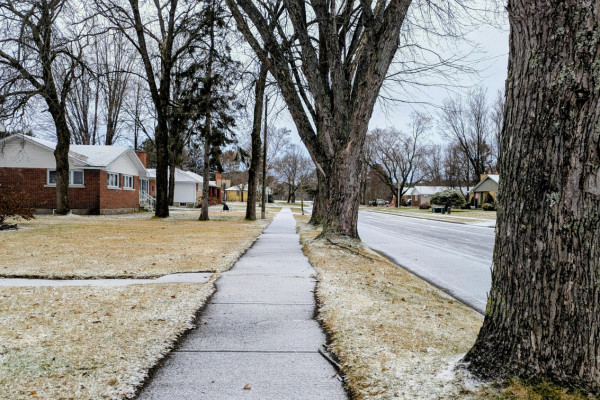
Winter Tested Your Policy
The last week of January was a wake-up call for many Virginia homeowners.
Snow fell. Roads iced over. Tree branches bent under frozen weight. Power flickered in some neighborhoods. For a few families, what began as a winter storm turned into unexpected property damage.
That storm was more than an inconvenience; it was a real-world reminder that personal insurance isn’t just paperwork. It is protection against unpredictable risk.
As we move through 2026, that reality is shaping how home insurance is priced, reviewed, and used. This outlook explains what Virginia homeowners should expect this year and what you can do now to stay protected.
Weather Is Playing a Bigger Role in Home Insurance in 2026
Winter storms like Virginia’s late-January event are now part of the regular risk picture insurers consider.
Heavy snow, freezing rain, and prolonged cold increase the likelihood of claims such as:
Roof damage
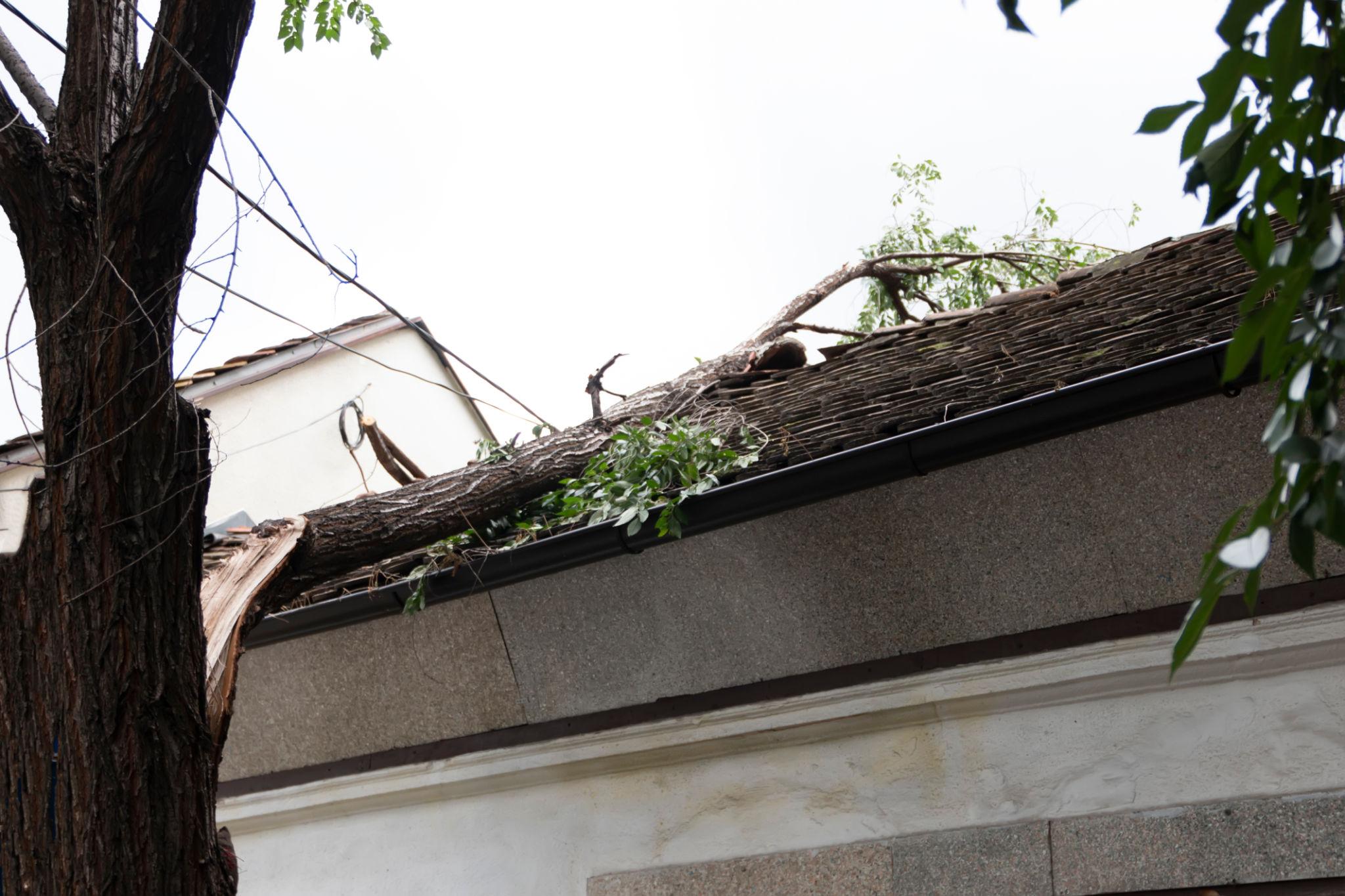
Fallen trees
Frozen or burst pipes
Slips and falls on icy walkways
Industry data shows that severe weather events continue to influence homeowners insurance pricing and underwriting nationwide. You can read more about how homeowners insurance works here: https://www.iii.org/publications/insurance-handbook/homeowners-insurance
For Virginia homeowners, this means:
Some may see premium adjustments tied to weather risk
Insurers may review roof age, heating systems, and maintenance more closely
Even homeowners without claims can feel market-wide effects when storm losses rise
In 2026, weather is not just a seasonal concern; it is a key factor shaping personal insurance.
Coverage Gaps Homeowners Often Don’t Realize They Have
The January storm highlighted several common misunderstandings about standard home insurance.
Frozen Pipes
If a pipe bursts while you’re away and your heat was turned off, damage may not be covered unless you took reasonable steps to prevent freezing. Many homeowners only learn this after a costly loss.
Fallen Trees
If a healthy tree falls on your home due to a storm, most policies cover resulting damage. However, cleanup costs and conditions can vary based on circumstances.
Water Damage vs. Flooding
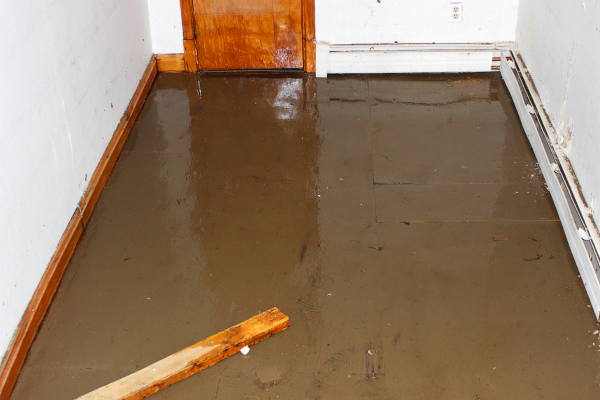
Standard homeowners insurance does not cover flood damage. If melting snow or heavy rain causes water to enter your home from the ground, a separate flood policy may be required.
In 2026, more homeowners are realizing that understanding policy details is just as important as knowing their premium.

Home Repair Costs Remain Elevated
Even when damage is covered, repair costs are still higher than many expect.
Contributing factors include:
Higher material costs
Labor shortages
Post-storm contractor demand
That makes this question critical in 2026:
Does my dwelling coverage reflect today’s rebuild cost, not yesterday’s?
Many policies are based on older estimates that may no longer match current construction costs. Being underinsured can turn a covered loss into a financial burden.

Insurers Are More Selective — But Preparation Pays Off
Across the country, insurers are taking a closer look at:
Roof age and condition
Heating systems
Maintenance history
Prior claims
In Virginia, this does not mean coverage is disappearing; it means proactive homeowners are in a stronger position.
Maintaining your home, documenting improvements, and reviewing coverage regularly can make a meaningful difference.
What January’s Storm Taught Us About Preparedness
The late-January storm changed how many homeowners think about risk.
It prompted people to:
Trim overhanging branches
Inspect roofs for weak spots
Confirm heating reliability
Review deductibles before a claim happens
Even homeowners without damage gained perspective: storms can disrupt life quickly, and preparation matters.
What Smart Homeowners Are Doing in 2026
Homeowners who feel confident about their insurance this year tend to:
Review their policy annually
Ask clear questions about coverage
Confirm dwelling limits match current rebuild costs
Consider flood insurance if they live in a risk-prone area
Speak with an agent before renewal, not after a problem
You do not need to be an insurance expert to do this, just intentional.
A Helpful Mindset Shift for 2026
Think of insurance not as a bill, but as a risk management tool.
Your policy should evolve with your life:
Renovations should be reflected in coverage
Roof age should be considered
Valuable belongings may need scheduled protection
Insurance works best when it keeps up with reality.

Looking Ahead
Personal insurance in 2026 is about clarity, preparation, and awareness.
Virginia’s January storm was not a once-in-a-lifetime event, it was a reminder that weather happens, risks are real, and preparation makes a difference.
Now is a smart time to:
Review your policy
Ask questions
Make sure your coverage truly matches your home and your life
Because the best time to understand your insurance is before you need it.
Get a Quote Today — No Pressure, Just Clarity
If winter made you rethink your coverage or if you simply want to know where you stand, you can schedule a quick, no-obligation quote review here:
https://links.campbellthompsonagency.com/widget/bookings/get-quote-today
This is a simple way to:
Compare your current policy
Identify any potential coverage gaps
See if you’re paying more than you need to
Make informed decisions heading into 2026
You don’t have to wait for your renewal to take control of your coverage.


